
Do You Have High Cheekbones or Low Cheekbones?
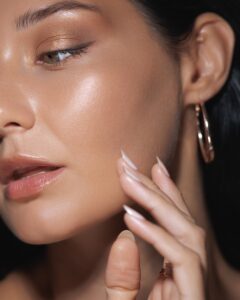
Most people do not start by saying “cheekbones.” They start with a feeling.
A photo looks fine from one angle, then strange from another. The cheeks seem flatter than expected, or the face feels wider up top. Sometimes the under-eye area looks shadowy even on a good day. Sometimes the lower cheek feels heavier even when weight has not changed.
That moment can be surprisingly personal. It is not vanity. It is the brain noticing light and shape in the center of the face.
At Gryskiewicz Twin Cities Cosmetic Surgery®, Dr. John Luck is a Plastic Surgeon in Minneapolis who helps patients understand what they are seeing. The goal is not to chase a trend or copy a filtered face. The goal is to understand structure, soften harsh transitions, and keep patients looking like themselves. Individual results *should* vary.
This guide explains what “high” and “low” cheekbones usually mean, why the answer can shift depending on lighting and time, and what surgical options exist for refining midface definition. This is for educational purposes only and should not be taken as personal medical advice.
Key Takeaways
- “High” and “low” cheekbones are not a scorecard – balance matters more than labels.
- Photos, especially selfies, can distort cheek shape and midface width.
- Cheek “changes” are often about volume, position, and light – not bone movement.
- The best plans match the driver: volume loss, descent, skin quality, or structure.
- Subtle support and smooth transitions usually look most natural.
- “Quick fixes” like thread lifts are temporary and can be unpredictable.
Consultation Facial rejuvenation overview Midface volume restoration Facelift
A Clearer Way To Think About Cheekbones
The internet makes cheekbones sound like a binary feature. High is good. Low is bad. But that simply is not how faces are truly perceived.
Cheekbones–technically speaking, the zygomatic bones–exist as a framework upon which our midface sits. They support the midface, influence how light reflects, and shape the transition from the lower eyelid into the cheek and mouth regions. When people say “high cheekbones,” they usually mean the strongest cheek projection sits closer to the eyes. When people say “low cheekbones,” they usually mean the strongest projection sits lower in the midface.
But the reality is more nuanced. When assessing aesthetic proportions of the face, cheekbone height matters less than cheekbone balance.
A balanced midface has smooth transitions. The cheek looks supported without looking inflated. The under-eye blends into the upper cheek in a way that does not create obvious shadows. In daily life, a balanced midface with gentle transitions is recognized as rested and youthful.
Cheekbones, Simplified
When most people refer to the cheeks or cheekbones, they are referring to the zygomatic bone, upon which the skin, fat, and muscles of the malar region sit.
In everyday terms, the bone is the frame and the soft tissue is the upholstery. Two people can have similar frames and still look very different because their upholstery is different.
One person may have thicker skin and more volume through the upper cheek. Another may have thinner skin or more hollowing near the lower eyelid. A third may have strong lateral cheek projection toward the ear, but a softer transition closer to the nose. The cheekbone structure may be similar, yet the face reads differently in photos.
Cheekbones matter because they sit at the confluence of the major “zones” of the face–the mouth region (“perioral”), the eye region (“periorbital”), the nose, and the temple. They influence how the eyes look, how the smile lines read, and how “lifted” or “heavy” the midface feels. They also change how makeup sits and how a face photographs in harsh lighting.
The Fastest Way To Tell If Cheekbones Are “High” Or “Low”
There is no perfect at-home test, but there are reproducible clues.
The first rule is simple. Do not use a selfie as your reference.
Selfies are taken close to the face, often with a wide-angle lens. That combination changes proportions. It can widen the midface, flatten the cheek, and exaggerate lower-face fullness. A person can look like they have “low cheekbones” in a selfie and look completely different in reality.
A better approach starts with a mirror and soft lighting. The face should be relaxed, not posed. The chin should be level, not tipped up. The goal is to see the face the way other people see it.
Now focus on two observations.
First, look for the highlight zone. Where does light naturally hit the cheek? If the highlight zone is closer to the outer corner of the eye and the upper cheek, cheekbones are often recognized as being higher. If the highlight zone sits lower, closer to the center of the cheek or the corner of the mouth, they will be perceived as sitting lower.
Second, focus on the point where the face looks widest from the front. If the widest point is higher, through the upper midface under the eyes, you likely have cheeks that are considered high. If the widest point feels lower, closer to the lower cheek, your cheekbones may be seen as being lower or the midface may have less support relative to the lower face.
Lastly, take one photo that is not a selfie to examine in closer detail. Use the back camera. Step back several feet. Hold the camera at eye level. Use soft, front-facing window light. Compare that photo to a selfie version. Most people immediately see the difference between this photo and a selfie photo. This is also where asymmetry becomes more noticeable. Most people have one cheekbone that is slightly higher, slightly fuller, or shaped differently than the other. This is completely normal. Faces are not perfectly symmetrical, and the idea of symmetry being synonymous with beauty is nothing more than a myth. Rather, beauty is achieved with balance and proportion.
Why Cheekbones Can “Change” Without The Bone Changing
Patients will often tell me, “I used to have better cheekbones.” And while it’s true that our zygomatic bones get slightly smaller and loss prominent with age, changes to the overlying soft tissues typically contribute more to patients’ concerns than does structural bone loss.
The two most common changes to the midface as we age are atrophy and descent. Atrophy is simply loss of soft tissue volume over time, and can be particularly noticeable in the midface where we have several well-delineated fat compartments contributing to our facial volume and shape. Descent is nothing more than the result of gravity on our faces. As the skin and fat in our face gets thinner and descends, the supporting ligaments and irregularities of our underlying bones become more visible, leading to harsh transitions between regions of our face.
Many people feel frustrated because the mirror seems to contradict their efforts. They are sleeping. They are exercising. They are hydrating. Yet the face appears tired. Often, the face is not tired. It is simply showing changes in support and light reflection.
Weight shifts can add to the confusion. Weight loss can reduce cheek fullness and make the cheek contour look sharper, but it can also increase hollowing in the upper midface. Weight gain can add fullness lower in the cheek, which can soften the highlights of the upper cheek. Neither is “good” or “bad.” It just changes the shape of the face in subtle, but noticeable ways.
Skin quality also changes the picture. Smooth skin reflects light evenly. Irregular texture breaks up light and can change how our contours appear. Hydration and improved skin health allow for better “draping” of the midface over the cheekbones. This is why two people with similar cheekbones can look very different in bright lighting.
When Dr. John Luck evaluates cheek and midface concerns as a plastic surgeon who specializes in facial surgery in Minneapolis, he looks for the underlying cause(s). Is the concern coming from volume loss, descent, skin quality, or a combination? The answer is typically multifactorial, and drives the appropriate intervention.
What High Cheekbones Actually Look Like
When cheekbones sit high on the face, the upper part of the midface tends to look defined and structured. The brightest highlight falls close to the eyes, and from certain angles, the contour can look quite strong. A lot of people love that quality — it reads as clean, geometric, almost architectural.
But high cheekbones aren’t without their drawbacks. One of the most common surprises is how differently they can photograph depending on the lighting. Shots taken from above or below, or with harsh overhead light, can make the upper face look wider than it actually is. That’s not a sign that something is wrong with your cheekbones — it’s a sign that the photo conditions were unflattering. Most of us don’t live our daily lives under studio lighting conditions.
Unfortunately, even with prominent, well-placed cheekbones, you can still look tired. That usually comes down to the transition zone — the area where the lower eyelid meets the upper cheek. If there’s a stepoff rather than a smooth blend in this transition zone, shadows will form. In those cases, the answer is rarely “add more volume to the cheek.” It’s usually about softening the eyelid-cheek transition so that light illuminates the face more evenly.
What Low Cheekbones Actually Look Like
When cheekbones sit lower on the face, the strongest point of projection falls further down the midface. In some people, that’s simply how their face is built — less projection overall, which can read as flatter in straight-on photos. In others, what looks like low cheekbones isn’t really about cheekbone position at all. It’s about volume that has been lost, soft tissue that has shifted downward, or both.
Patients tend to describe a similar set of concerns regardless of the underlying cause. The midface feels heavier even though their weight hasn’t changed. Smile lines look deeper. The area around the eyes feels less open. Contouring products that used to do the job now feel like they’re working overtime.
This is where it is essential to correctly diagnose the underlying cause of your concerns. If the primary issue is tissue descent and you respond by adding volume, the face can end up looking heavier — the opposite of the goal. If the issue is volume loss, but the plan focuses only on repositioning, the result may appear artificially “pulled.” The treatment has to treat what’s actually happening.
Dr. Luck’s approach to these cases is guided by what he calls a preservation mindset — identifying the smallest, most precise change that addresses the real problem without overcorrecting or creating something that looks “done.” The goal is not a dramatic cheek. It’s a midface that looks calm, balanced, and like it belongs to the rest of your face. Individual results should vary.
Options That Can Improve Cheek Definition Without Creating A “Done” Look
There is no single best option for every patient. The ideal treatment plan depends on anatomy, goals, tolerance for downtime, and comfort with maintenance.
The important theme is restraint. The best cheek work is usually quiet.
Photo Habits And Styling
Sometimes the simplest changes solve a big part of the concern. Better lighting. A back-camera photo instead of a selfie. Front-facing window light instead of overhead light. Makeup placement that supports the natural highlight rather than fighting it.
These changes do not replace medical options, but they can help a patient understand what they actually want. They also prevent unnecessary treatment based on distorted images.
Skin Quality Support
Skin does not create cheekbones, but it changes how cheekbones show. Skincare and in-office treatments can improve surface quality for selected patients. But they have limits. They do not change bone position and they do not replace structural support. Energy-based tightening treatments may also be less predictable for meaningful “lift” because they do not reposition deeper support. In many cases, they are best viewed as skin-quality tools, not structural tools.
Cheek Filler, When Used For Support And Not Bulk
Cheek filler can help when the main issue is volume loss. Used conservatively, it can improve the highlight zone and soften harsh transitions. It can also help the under-eye to cheek blend in select patients.
Filler is not meant to pack the cheek full. Overfilled cheeks usually happen when the cheek is treated like a single empty space. The midface is layered and it has distinct zones. Putting too much product in the wrong place can create a puffy or heavy look.
It is also important to keep expectations realistic. Filler is not permanent. Maintenance may be needed. And while serious complications are uncommon, facial injections should always be treated with respect. That is why expertise matters. Many patients prefer evaluation by a Plastic Surgeon for midface decisions because the conversation tends to focus on anatomy, balance, and long-term outcomes.
Fat Grafting To The Cheeks
Fat grafting uses a patient’s own tissue to restore volume. For select patients, it can create soft, natural fullness and a more supported midface. It can also be combined with other facial plastic surgery procedures when appropriate.
Fat grafting is not instant. Healing takes time. The final result develops gradually. Not all transferred volume persists the same way in every patient, so expectations need to be clear from the start.
Dr. Luck uses different fat preparations for different purposes. He uses traditional fat grafting to augment volume, “microfat”–fat that has been processed into a gel-like consistency–for smoothing transition zones, and “nanofat”–fat that has been emulsified into a liquid that is rich in stem cells and growth factors–for rejuvenating skin.
When it is used thoughtfully, fat grafting can be a strong option for patients who want a natural-feeling change without relying on ongoing filler.
Midface Implants For Structural Projection
Midface implants act like bone and can re-frame the structure of your face. They can be useful for patients with poor midface projection who want a more defined framework that does not depend on repeat injections. There are countless types of implants for this region. Some surround the lower portion of the eye, some are placed up against the nose, and some are placed over the most projected part of your existing cheekbone. Nearly all of these implants can be placed through small incisions made inside of your mouth.
Lift-Based Options When Descent Is The Causative Agent
Some patients assume they need more cheek volume, but the real issue is position. If soft tissue has descended, simply adding volume can make the face look heavier rather than refreshed.
In those cases, repositioning support may be more natural than adding fullness. This is also where planning matters most. A good plan does not just look good on day one. It should still look right years later.
When surgery is the right tool, Dr. John Luck focuses on anatomy-based repositioning and reattachment, not simple “suspension.” The goal is stable support and natural transitions that fit the rest of the face.
A Note On “Quick Fixes” Like Thread Lifts
Some patients ask about thread lifts because the idea of minimal downtime is appealing. However, thread results are temporary, subtle, and unpredictable. In Dr. Luck’s philosophy, a plan should prioritize durable, anatomy-based support rather than short-lived pulling. For that reason, he generally does not recommend thread lifts for meaningful midface or lower-face change.
How Dr. John Luck Approaches Midface Planning
When patients meet with Dr. Luck, the goal is clarity. Dr. Luck focuses on what the patient sees, what the patient wants to change, and what is actually driving that concern. He looks at the midface as part of the overall facial balance, not as a single feature to “fix.”
Consultations are used as educational sessions, not for picking a procedure off of a menu. A consultation with Dr. Luck will include discussion of your anatomy, approaches to address your concerns, risks of intervention, and setting expectations. Trends push people toward bigger and faster changes. A preservation-focused plan pushes in the opposite direction. It favors natural transitions and believable outcomes.
Risks And Limitations, Explained Without Drama
Any aesthetic treatment has limitations. Any injection or surgery has risks. A responsible plan includes a clear, realistic discussion of both.
Fillers can involve swelling, bruising, unevenness, or an overfilled look if the plan is not conservative. Rare complications can occur, which is why training and technique matter.
Fat grafting can involve swelling, bruising, and uneven volume retention. Implants and facelift procedures involve surgical recovery and procedure-specific risks. No ethical practice promises perfect outcomes, and no plan can guarantee a specific look.
The best way to reduce risk is careful planning, appropriate technique, and realistic expectations.
High Cheekbones or Low Cheekbones FAQs
Why do my cheekbones look higher in the mirror but lower in photos?
Mirrors show you a live, three-dimensional view with tiny head movements that change highlights. Photos freeze one angle and lighting setup, which can flatten the midface and exaggerate shadows.
Can a ponytail or hairstyle make cheekbones look different?
Yes. Pulling hair back exposes facial width and changes where the eye reads the “outer cheek,” so cheekbones can appear higher or more prominent. Face-framing layers can soften that effect by breaking up the outline.
Why do my cheekbones look “better” when I smile?
Smiling lifts soft tissue and redistributes cheek volume. That can create a higher, rounder midface highlight even if the underlying bone structure is unchanged.
Is it normal for one cheekbone to look higher than the other?
Very normal. Natural asymmetry is common in bone shape, soft tissue volume, and bite mechanics, so one side often catches light differently.
Why do my cheekbones disappear with overhead lighting?
Overhead light creates downward shadows that can cancel the cheek highlight and deepen the under-eye area. Soft, front-facing light usually shows cheek contour more accurately.
Can dental work or bite issues affect how cheekbones look?
Dental work can change the interplay between the lower face and midface, affecting overall facial balance. It does not usually change the cheekbone itself, but it can change how the midface is perceived.
Why do cheekbones look different after weight loss, even if I feel healthy?
Weight loss can reduce midface softness, which may sharpen some contours while increasing hollowing near the under-eye. The face often needs time to stabilize before judging the “new normal.”
Are “high cheekbones” always genetic, or can aging create the look?
Genetics sets the foundation, but aging changes volume and support, which can alter highlights and shadows. Some faces look more sculpted with time, while others look flatter depending on where support changes.
Can “low cheekbones” actually be a volume issue, not a bone issue?
Yes. Loss of upper cheek volume or midface descent can make cheekbones appear lower even when bone position is unchanged. That is why identifying the causative anatomy matters more than the label.
Why do cheek fillers sometimes make cheekbones look lower instead of higher?
If filler is placed too low or adds bulk instead of support, it can visually weigh down the midface. A conservative plan focuses on contour and transition, not simply adding volume.
Choosing the Right Plastic Surgeon in Minnesota
Midface changes can be subtle and beautiful, but they require experience. For patients considering cheek filler, fat grafting, implants, or lift-based options, it is worth choosing carefully.
Look for a board-certified Plastic Surgeon with facial experience and consistently natural results. Look for a consultation process that explains limits, not just benefits. Look for a clinician who respects your face rather than trying to sell you a template.
Dr. John Luck is a Plastic Surgeon in Minneapolis with specialization in facial aesthetics known for anatomy-based planning and preservation-focused results. That voice is consistent across his practice. The priority is a balanced midface that still looks like the patient.
Next Steps: A Practical Plan Forward
For patients who want a professional evaluation, a consultation with Dr. John Luck, Plastic Surgeon in Minneapolis, can clarify what is driving their midface concerns and which options match the patient’s anatomy. Patients from throughout the United States have visited Minneapolis to see Dr. Luck in his Edina and Burnsville offices.
Medical References
- Facial Anthropometric Measurements and Principles – Overview and Implications for Aesthetic Treatments (Facial Plastic Surgery, 2023).
- The Aging Midfacial Skeleton: Implications for Rejuvenation and Reconstruction Using Implants (Facial Plastic Surgery, 2009).
- Rheologic and Physicochemical Properties Used to Differentiate Injectable Hyaluronic Acid Filler Products (Plastic and Reconstructive Surgery, 2019 – Open Access on PMC).